Taking a Leap at Pele’s Chair Tidepools

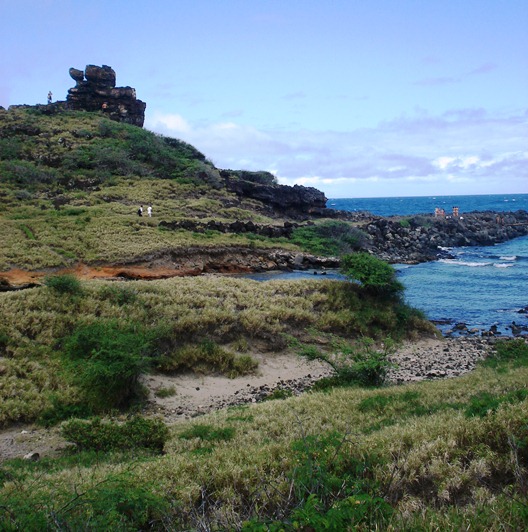
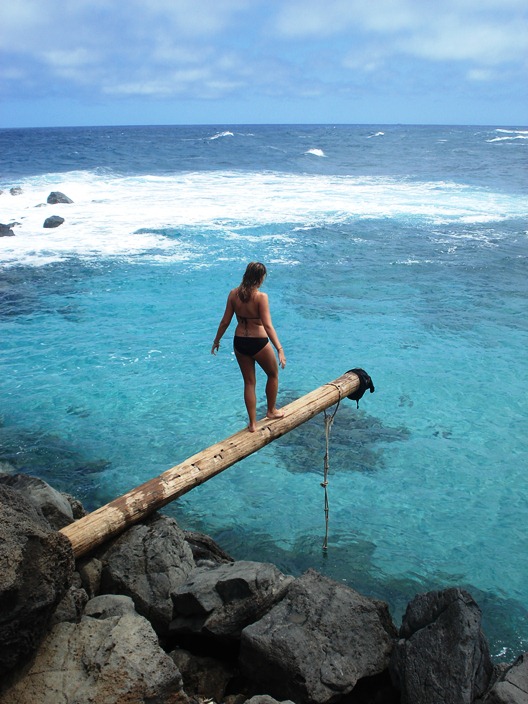
Near the south-eastern tip of Oahu sits Pele’s Chair, a massive rock formation overlooking the ocean and tide pools calm enough for swimming and snorkeling.  An old telephone pole juts out over a cove to create a diving platform.  I was a little hesitant the first time I took a leap off the pole, especially since I was wearing a small bikini.

I remember cautiously walking to the end and gazing out towards the ocean.  The roaring waves crashing on the other side of the rocks, as if they were angry because they could not reach me.  The water was shimmering blue beneath me.  I took a deep breath and jumped.  My body slid through the cool water and my toes lightly grazed the sandy floor.  I dolphin kicked back up to the surface and grinned from ear to ear.  I was hooked!  I felt like a kid again and wanted to go back for more.

Josh did a few flips into the water which were much more graceful than my jumps.

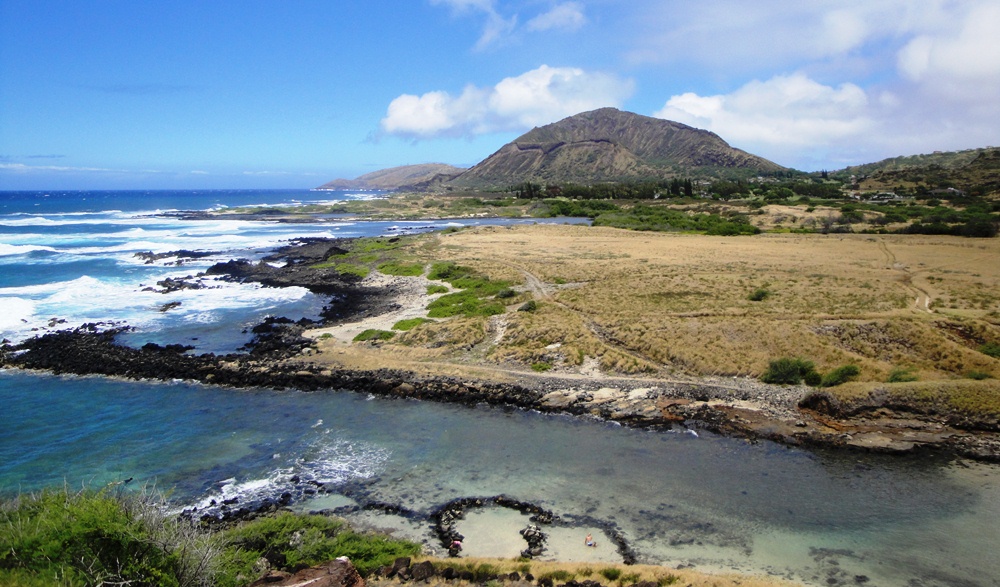
Pele’s Chair is a few minutes hike above the tide pools.  The views from above are spectacular.  To the west is Koko Crater.  Its lava flow looks like it was frozen in time.

This was one of my favorite spots to relax while living in Hawaii.  One way to get there is by parking at the Makapu`u Lighthouse trail.  Then follow a path that veers right and down from the main paved trail.  It’s a quick walk to the tide pools.

Snowpocalypse 2012: Seattle Style

If you haven’t heard by now, Western Washington has been hit pretty hard with a snow storm. We are almost through the worst of it after being snowed in for a couple of days and I’m getting stir crazy. I’ve overdosed on the latest television news reports and seen many stories of how people are weathering the storm.

Yesterday my husband, Josh and I cleared our steep driveway with the hopes of it staying clear until the storm is over. We made the chore more fun with some liquid encouragement… beer! And what would be the most fitting beer for a storm like this? La Fin Du Monde, of course! (Translation: The End of the World)

Underwater Angels: Manta Rays in Kona

When a manta ray first soared over my head I let out a loud squeal of excitement underwater that could be heard by any diver within a few feet of me.  I expected to see them of course, but I never imagined how big and graceful they would be.

The team at Kona Honu Divers on the Big Island of Hawaii choose the perfect spot in the bay where manta rays gather for their evening meal.  Our Divemaster gave us our briefing and told us many times to not touch the manta rays. This goes without saying for all diving encounters.  Look but don’t touch. We were also instructed to hold our lights higher than our heads so that the rays can swim over us.

Once darkness fell in the night sky we plunged into the water one by one and followed our Divemaster to the bottom.  We settled in at about 35 feet below the surface.  Then we gathered around the powerful lights in a large crate.  Light attracts plankton and other small marine life.  The manta rays see the light as a dinner bell and swim over to our area to feast on the plankton.

Shortly after we settled in, the first manta swam over.  It’s massive mouth was gaping wide to collect as much food as possible.  More manta rays showed up for dinner.  One had a wingspan of over 14 feet!  They took turns swimming over the lights and doing back flips over our heads.  My light dipped lower than my head at one point and I came face to face with a manta!  I quickly ducked and lifted my light higher as it swam over me.

An hour later, my gauge was down to 500 psi which meant I was low on air.  I had to force myself to breakaway from the show to get back up to the surface.  It’s not always guaranteed that you will see manta rays on this night dive.  I feel lucky to have watched them on a couple dive trips to the Big Island in 2006.

If you plan a trip to Kona on the Big Island of Hawaii I would highly recommend this experience.  If you are not a certified diver there are snorkeling options, but it is not as incredible as being underwater right there with the mantas. Make sure you choose a reputable dive company like Kona Honu Divers or Jack’s Diving Locker.

Gusty Start to 2012: First Hike of the Year

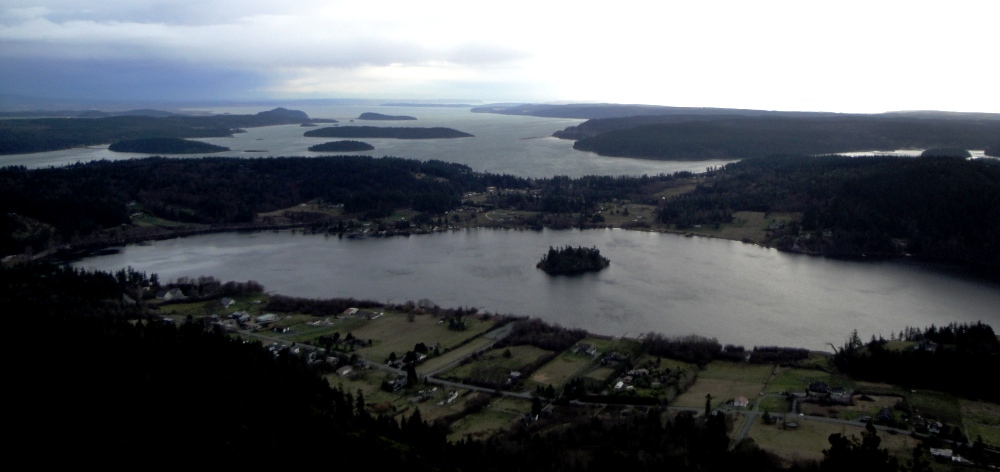
To start the New Year off right, my husband and I went for a couple hikes.  Our first stop was at Sugarloaf on Fidalgo island in the Anacortes Community Forest Lands.  The wind was whipping at the top so we stayed only a few minutes.  Afterwards we drove to nearby Mount Erie and snapped this photo looking over Campbell Lake and the Puget Sound.

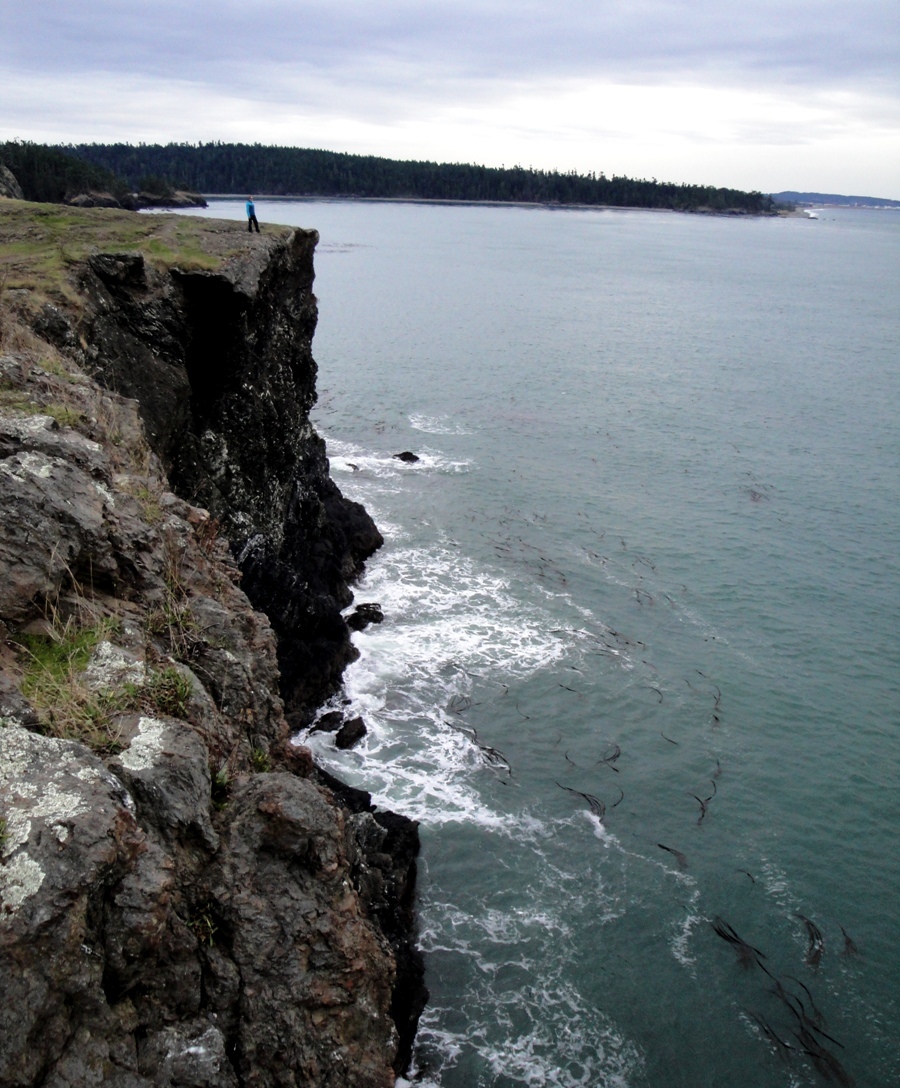
Then we went to Deception Pass State Park and hiked out to Rosario Head. Part of the trail follows along the edge of a cliff so we had to watch our step and the wind did not help.  I’m the tiny blue dot near the edge of the cliff in the photograph below.

My Highlights of 2011

It’s the end of the year and I am reflecting on the memories we made in 2011.  I’m also using this time to look forward to our future adventures in 2012.  I see a calendar open with opportunities but not quite sure yet what’s in store.  I hope it will be as wonderful as this year was!  Below are 12 pictures capturing just a single memorable moment from each month in 2011:

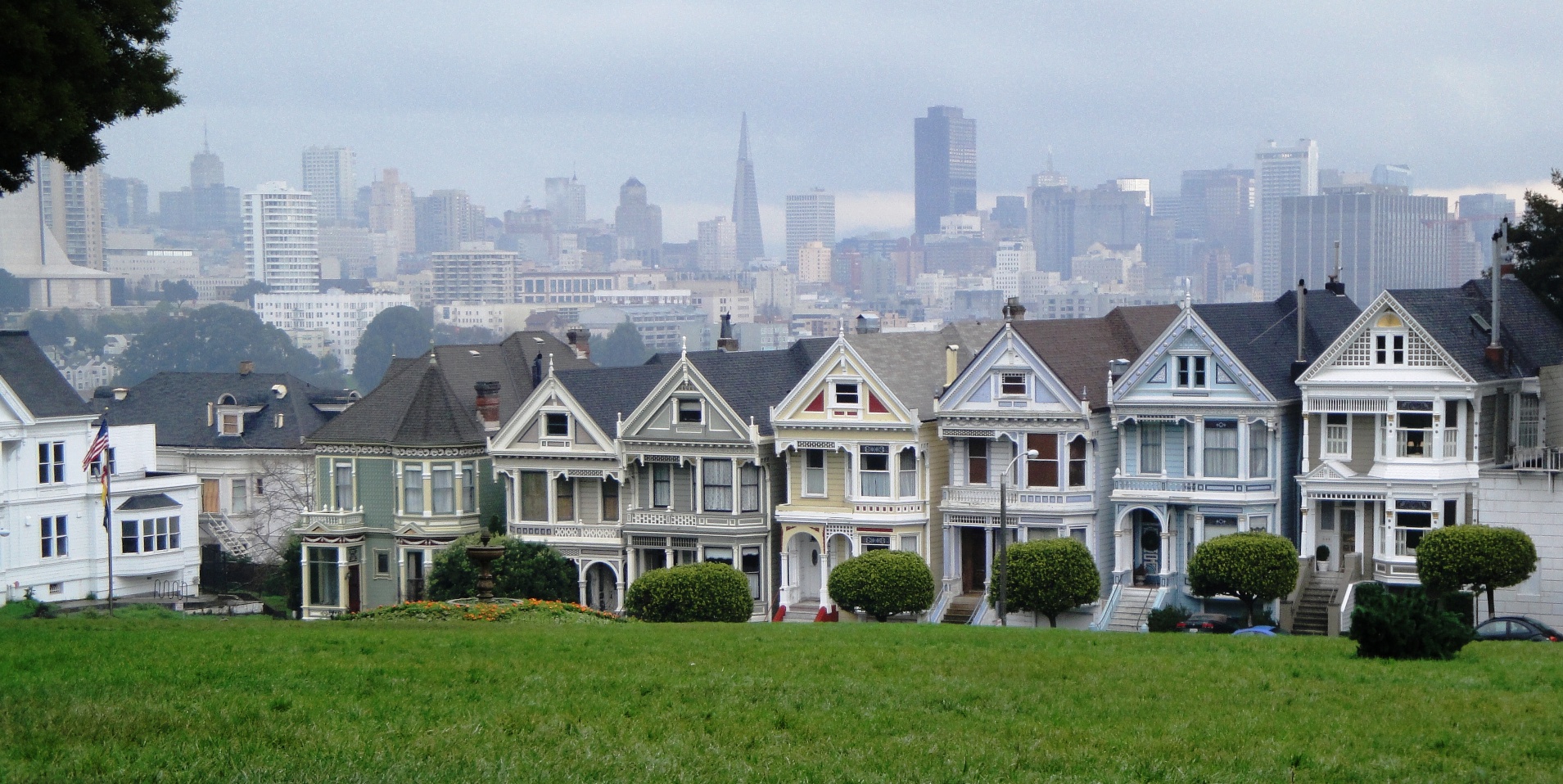
January:  We rung in the New Year in San Francisco by taking in the sites around town.  The “Painted Ladies” in Alamo Square are recognizable to anyone who grew up watching Full House.

.
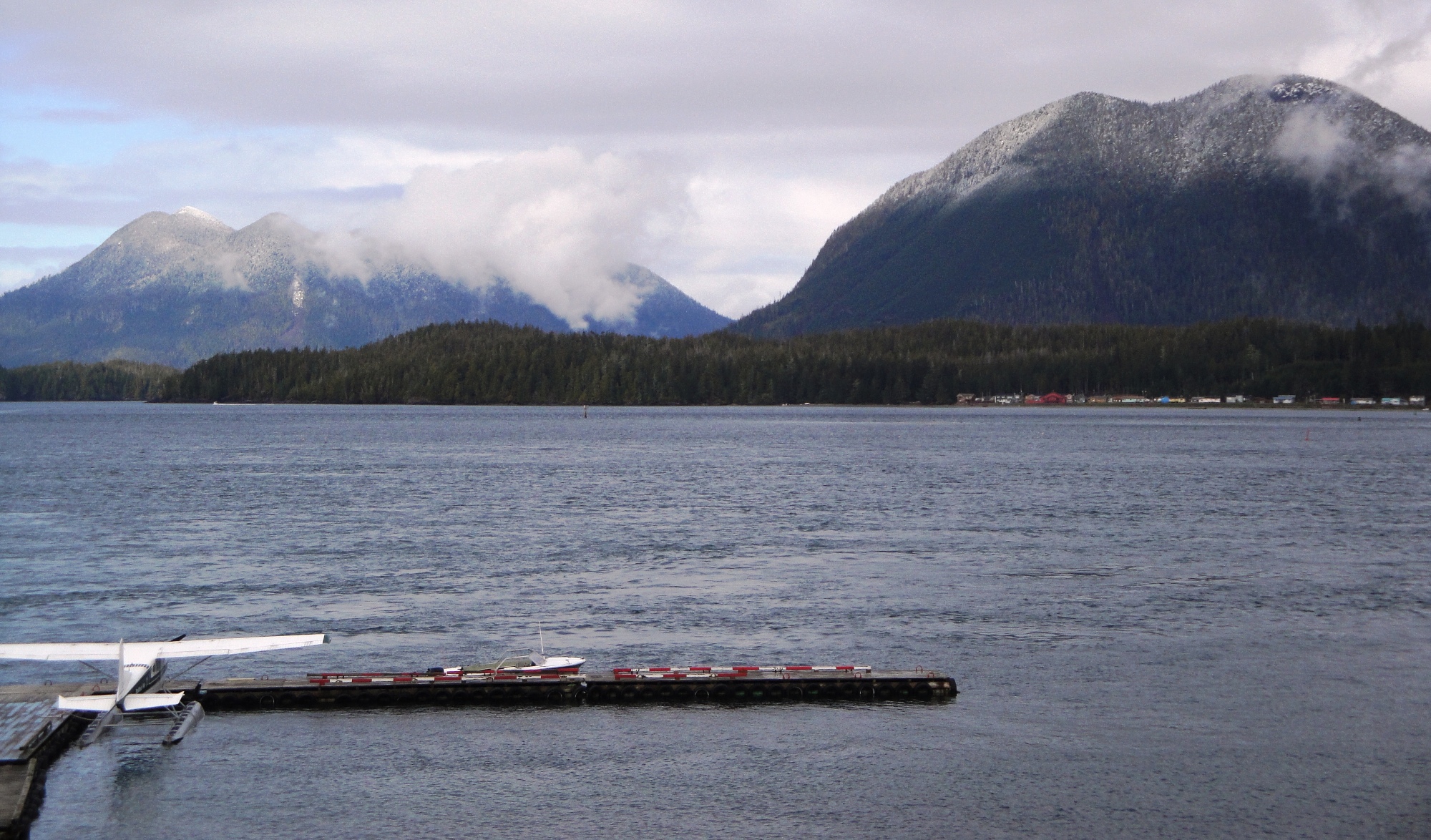
February:  Tofino on Vancouver Island off the coast of mainland British Columbia, Canada was a great quiet escape.  Outside of Tofino, we explored the Horne Caves and ate way to many Nanaimo bars.


.March: A trip to the Museum of Glass in Tacoma, WA.

.April:  Vancouver, BC is always a fun place to visit and only a 3-hour drive north of Seattle.  Here’s a shot of me at Siwash Rock in Stanley Park.

.May:  We camped at Lake Chelan, WA the week before Memorial Day and it was pretty quiet.  I hear it gets crowded in the summer time.

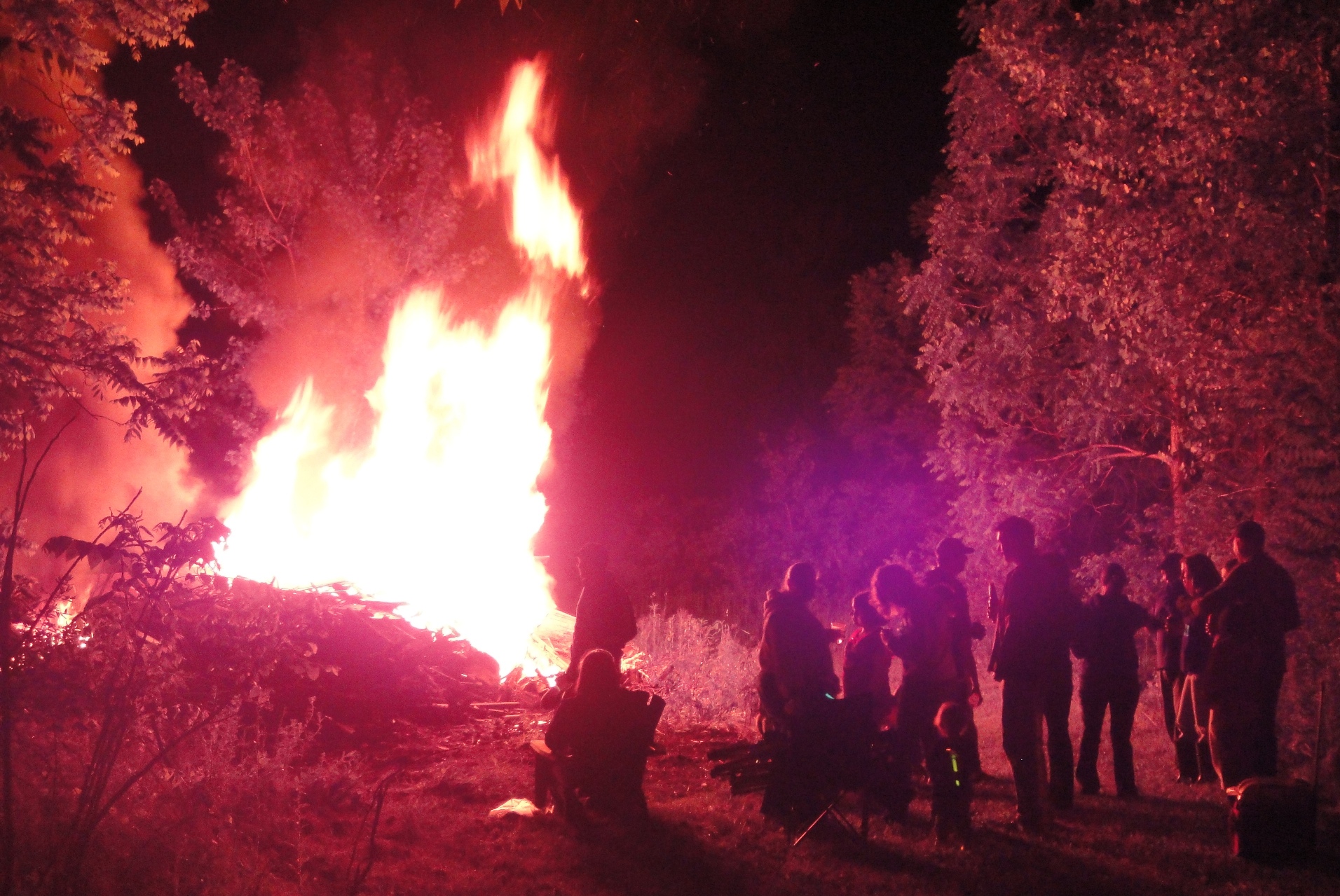
.June:  Bonfire in Auburn, NY.  The fire department even showed up!  We spent our time visiting with family and friends there in Central New York just outside of Syracuse.  This is the largest bonfire I’ve ever seen and we wouldn’t have had it if it weren’t for Shaver Brothers providing stuff to burn.

.July:  The Parliament Building in Victoria, BC.  My parents came to visit and we took them up to see the Provincial Capitol City.  I love how this building lights up at night.

.August:  Shi Shi Beach in the Olympic National Park, WA.  We backpacked into this remote beach in the northwestern corner of the park for a couple days.  The beach was littered with crab shells.  It looked like giants had a crab feast!

.September:  Machu Picchu, Peru.  Simply majestic.  Need I say more?  Why yes I can, click here.

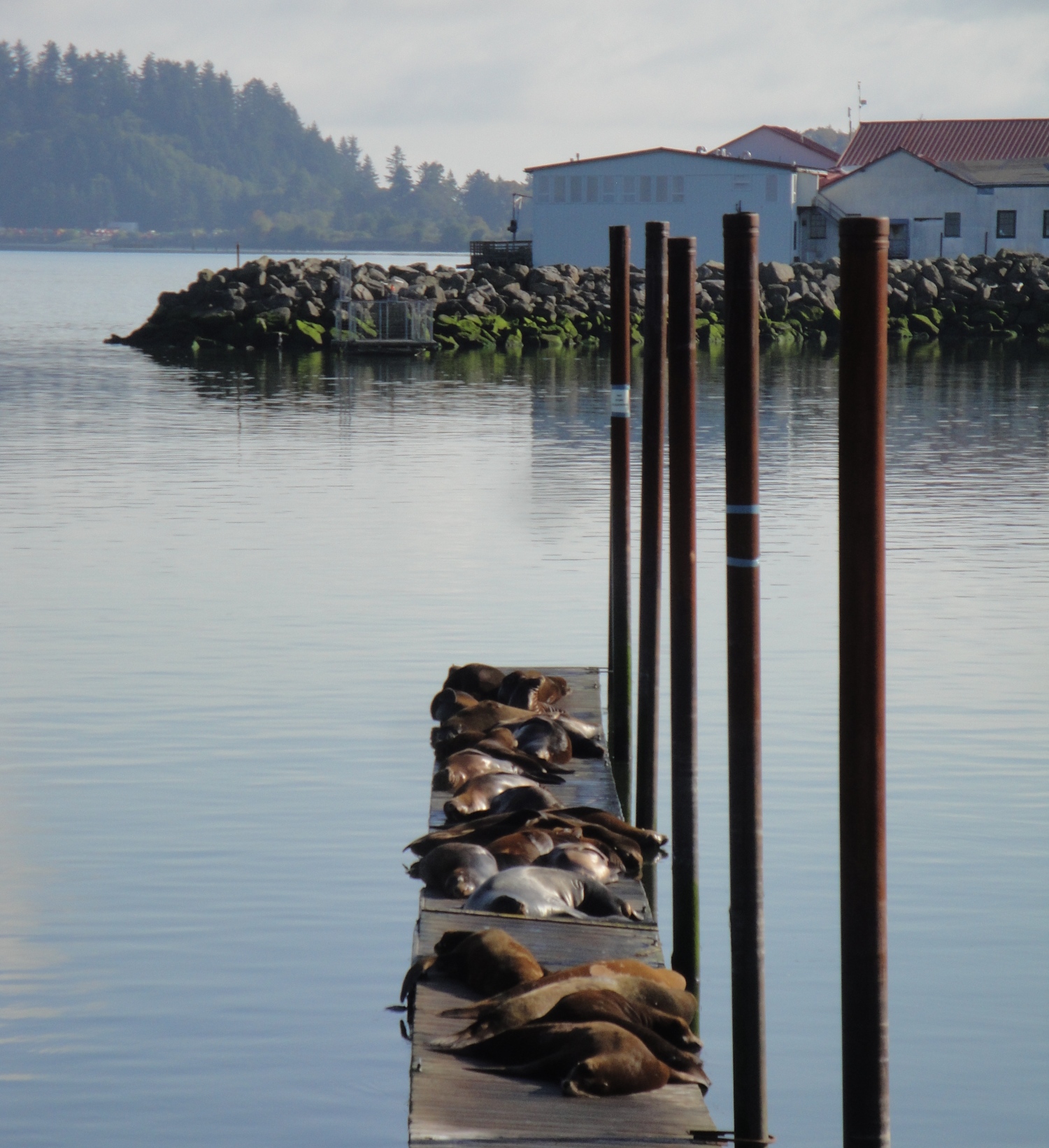
.October: Sea lions on a boat slip in Astoria, OR.  I feel like I saw more sea lions than people in this quaint town also known as the home of The Goonies.

.November: Multnomah Falls in Oregon is over 600 feet tall with a powerful spray.  Bring a rain jacket even on a sunny day.  We hiked up to the top and saw an incredible view over the Columbia River.

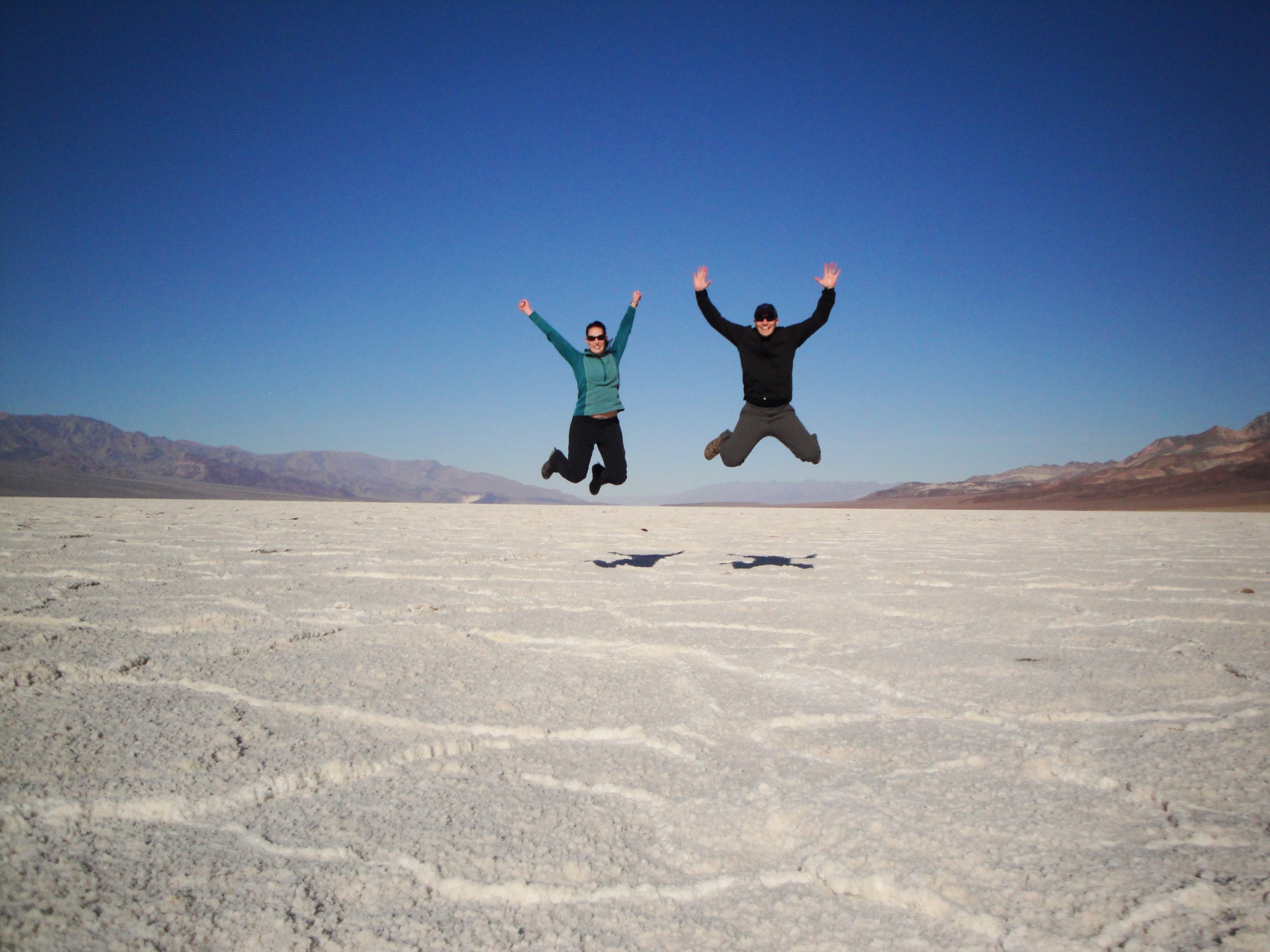
.December:  The Badwater Basin in Death Valley National Park, CA.  This is the lowest spot in the Western Hemisphere at 282 feet below sea level.  This shot took us over 40 tries to get the timing right.  I was sore the next day from all that jumping.

Caballo Loco in Cusco, Peru

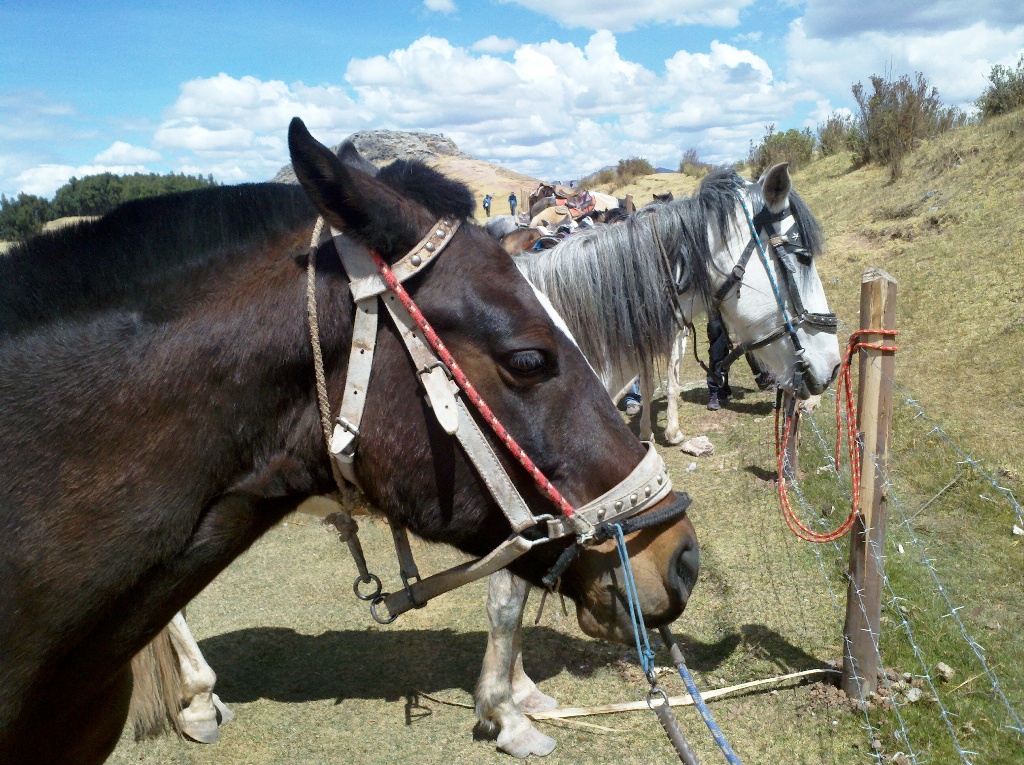
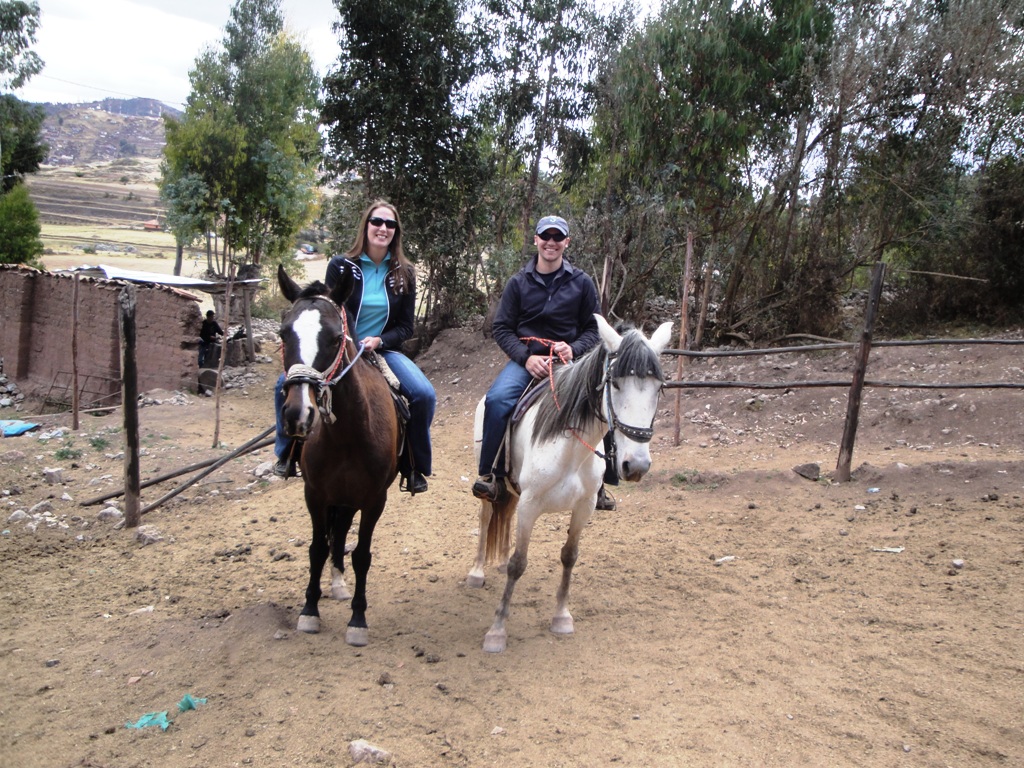
Horseback riding in Cusco sounded like a great idea at the moment, then we were assigned a crazy horse.

Before our trek along the Inca Trail to Machu Picchu, my husband and I had a couple days to explore Cusco.  We walked up to Saqsayhuaman Ruins in the hills above the town.  On the way up we met a man who asked us if we were interested in a horseback ride through the ruins.  We took him up on his offer even though we were a little concerned about being too sore for our hike.

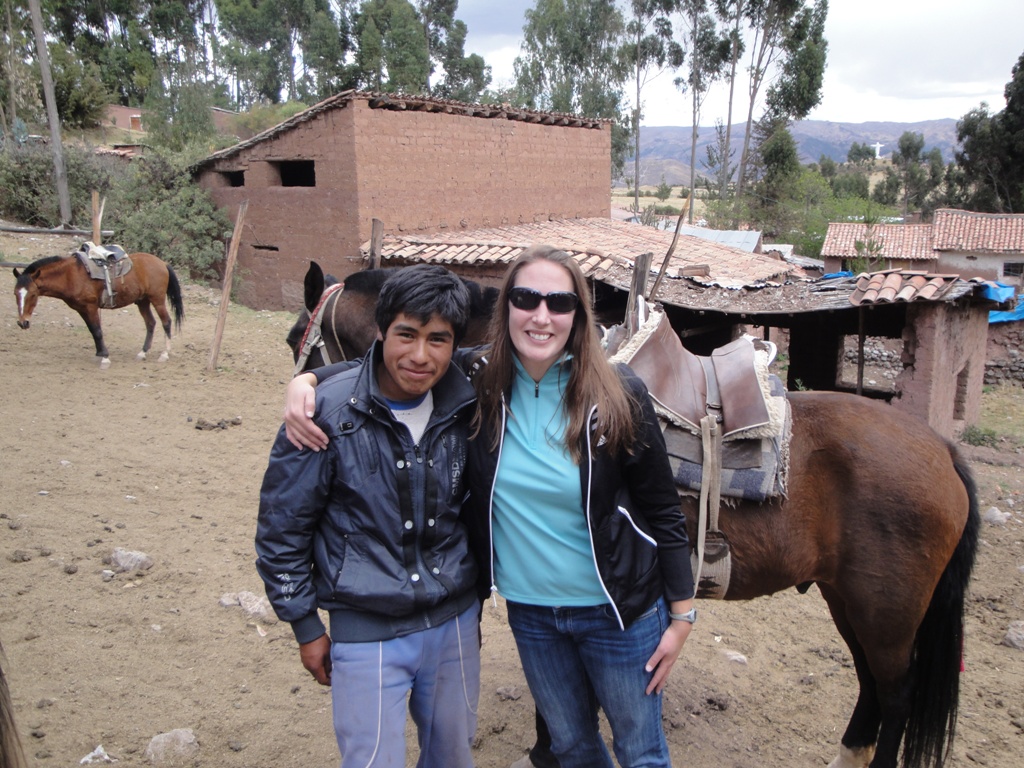
We followed the man up to a small farm outside of the ruins where he handed us off to another guide.  Our guide knew little English and we only know a little Spanish, so it was a bit difficult to communicate with him.  It was another reminder that I need to learn to speak Spanish fluently.

Our guide handed us the reins to our steeds, we hopped on and off we went.  My horse rode along just fine, while my husband’s horse went a little crazy and raced ahead of us.  At first the horse wasn’t responding to his commands, in English.  It’s interesting to think that they must only understand Spanish.  He finally got a handle on his horse and we continued the tour.  Our way back followed a narrow trail next to a steep drop off.  I held tight hoping my horse didn’t lose his footing.

I was relieved to see the end of the tour ahead of us.  We thanked our guide with our broken Spanish and went back down to Cusco for drinks.  We needed a few Cusquenas and a good laugh after that experience.

The Inca Trail to Machu Picchu

Over 100 years ago, Hiram Bingham brought world attention to the majestic wonder that is Machu Picchu.  Since then millions of people have visited the ancient ruins to learn more about the Incas. I was fascinated from the moment I learned about Machu Picchu.  Then in September 2011, my husband and I made the four day trek along the ancient Inca Trail to the famous ruins.
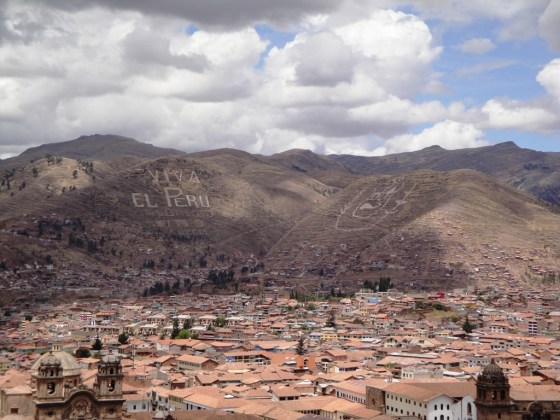
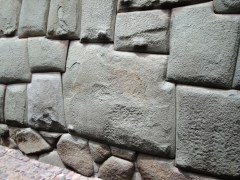
Cusco, Peru was the starting point of our trip.  The city sits at over 11,000 feet above sea level. We visited a couple days to help us acclimatize and prepare for our trek.  We saw the famous Twelve-Angle Stone which demonstrates the Inca’s near-perfect architectural design without the use of modern technology.There is so much to see and do in Cusco.  I wish we had planned more time to explore but our sites were set on hiking the Inca Trail.

Our first day on the Inca Trail started before dawn with a three hour bus ride to Ollantaytambo.  We were in a group of 15 trekkers, 2 guides and 18 porters.  The trekkers in our group were from all around the world; Australia, India, Great Britain and the U.S.  We followed our guide, Fredd along the Urubamba River and took a break at the Willkarakay ruins on our way to our first campsite.  Down below, we saw the Q’Entimarka ruins by the river.

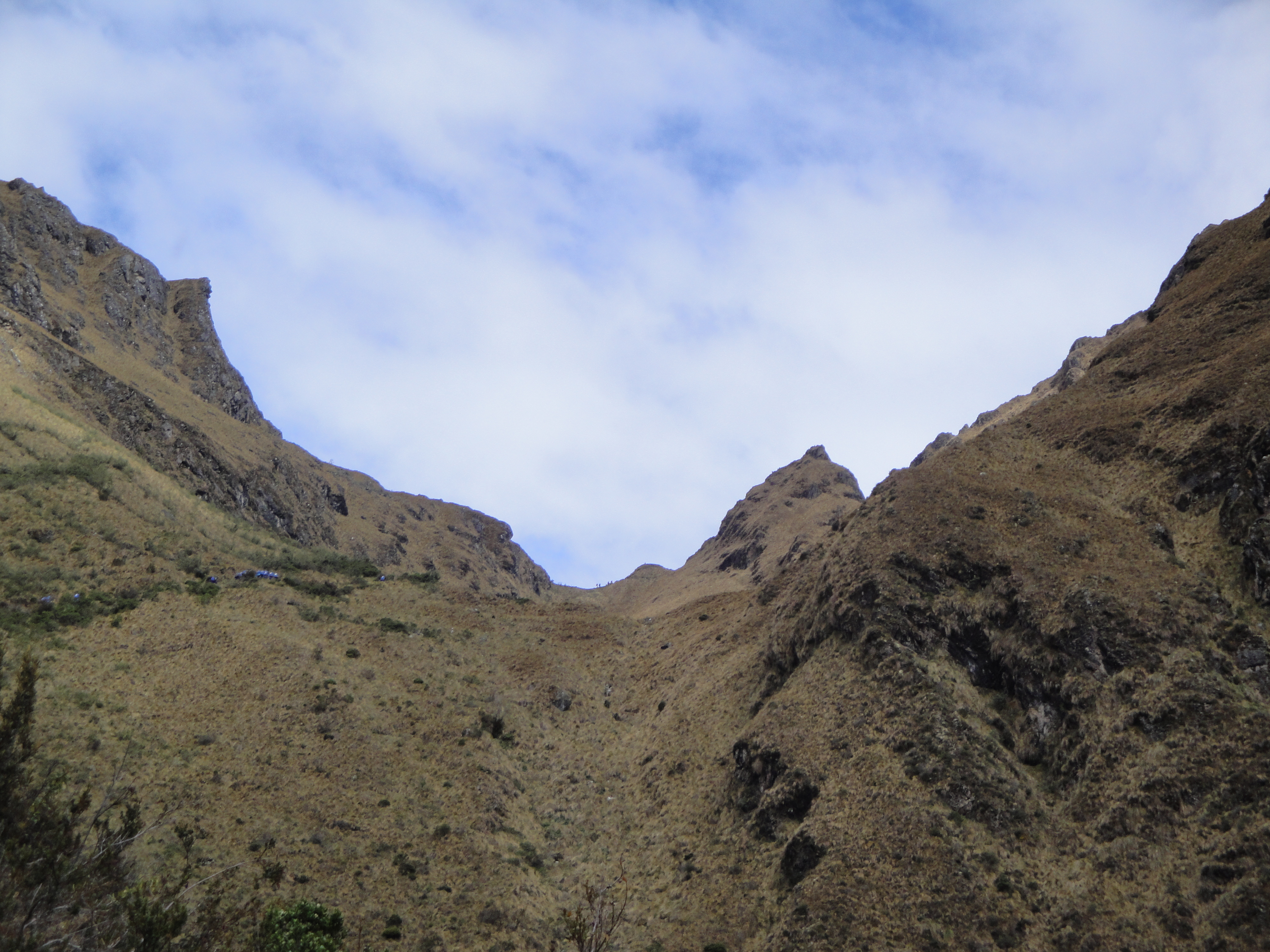
We were warned that our second day would be the toughest and longest.  We had an early start and slowly made our way up through Dead Woman’s Pass at 13,828 feet above sea level, the highest point in our trek.  Fredd cautioned us to hike slowly and drink plenty of water to prevent altitude sickness.  Our entire group successfully made to the top and we celebrated with tea and cookies.
Our journey down into the valley felt a lot easier, however we knew there was another pass in our way to the next campsite.  We stopped for lunch and the clouds rolled in with a vengeance.  A storm poured buckets of water on us and we waited as long as we could for it to pass.  After a while we covered up with our ponchos and got back on the trail.  The sun broke free from the clouds near the top of the next pass just after the Runquracay ruins.  The heat forced us to peel off our ponchos and rain jackets.  Another quick break and we were back on the trail. The steep steps were at times tricky to walk down.  I worried about tumbling and took extra caution with each step.
At the Sayacmarca ruins, we took a quick break. There were so many bugs here that it was uncomfortable to stop for too long, so we cut our time short.

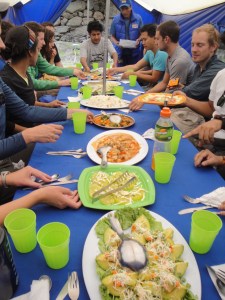
By the time we got to our next campsite, we were exhausted.  I collapsed in our tent and rested a little before dinner.  We had an amazing feast and everyone exchanged stories of their experiences from the long day.

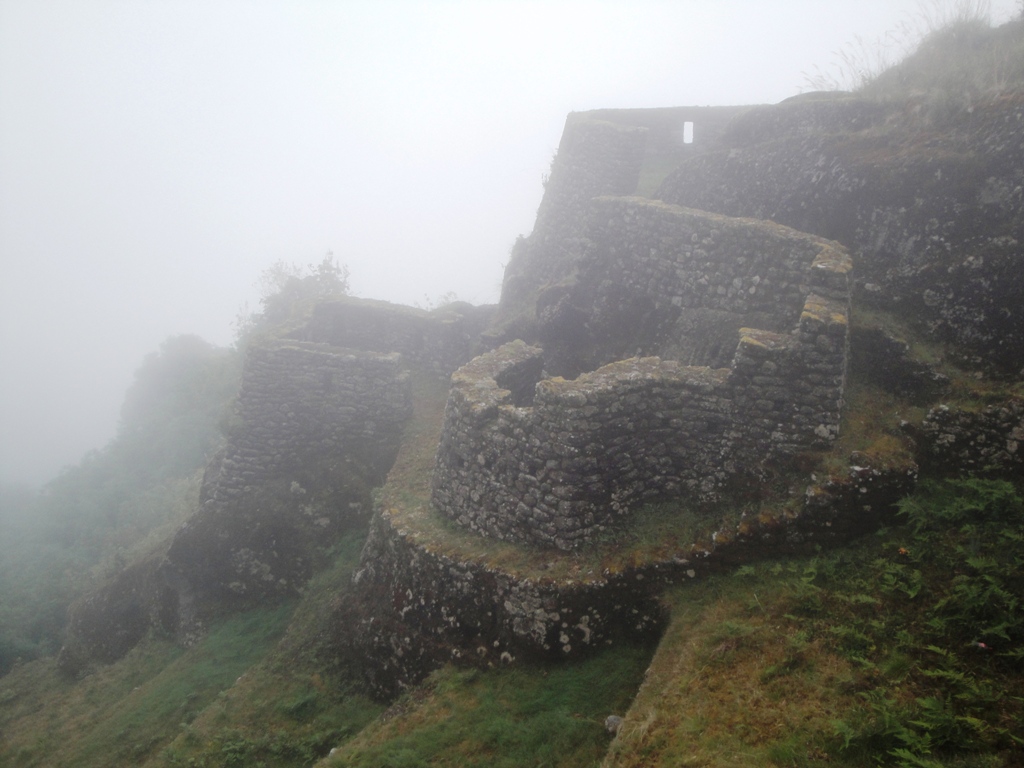
Our third day took us up through the Inca Tunnel on our way to the Puyupatamarca ruins.  We stopped here for a bit and watched the fog drift in and out to reveal the valley below.

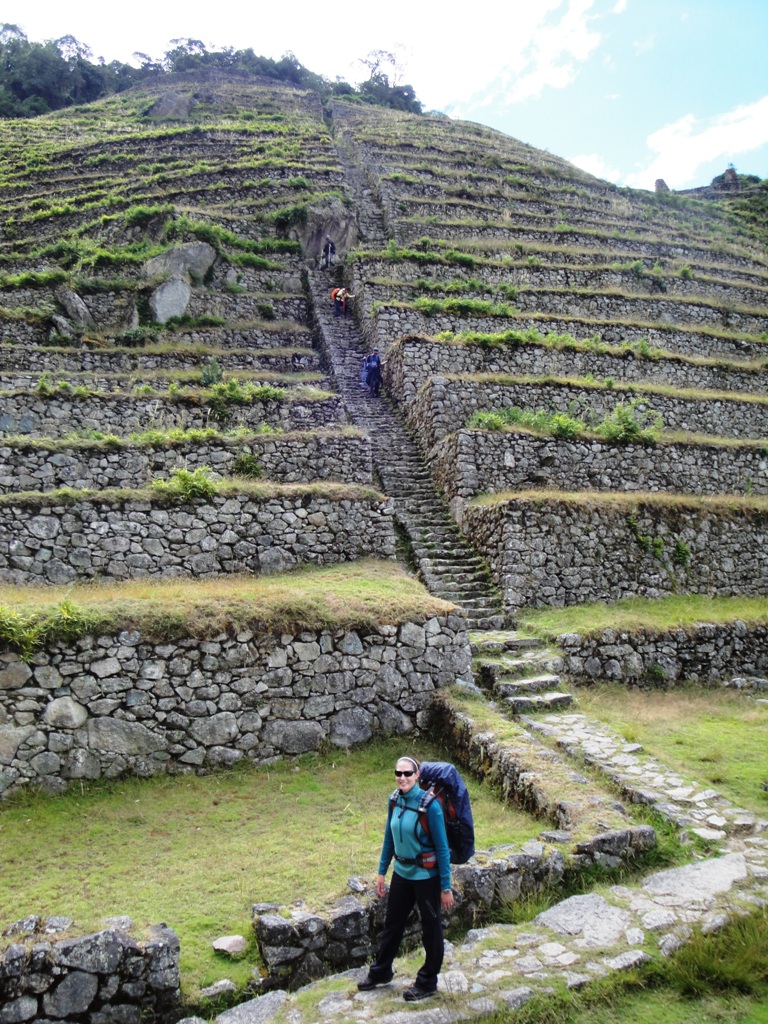
We then continued on the trail towards camp and saw the Intipata ruins getting closer and closer.  It’s interesting to see the ruins from a distance first and then exploring it up close.  Fredd pointed out our camp and told us to take our time at these ruins.  It was as if we had it all to ourselves.  I imagined what it must have been like to live here 500 years ago among the Incas.

A huge three-course lunch was waiting for us a camp.  With full bellies, we took naps and relaxed the afternoon away.  Before dinner, Fredd led us to the Winyawayna ruins directly next to camp.  We explored past dusk and I began to feel emotional that our trek was coming to an end.  Tomorrow we would get up well before sunrise and hike to Machu Picchu.  Was I ready for what was to come?  The ruins thus far have been amazing and it’s hard to believe a more beautiful place.

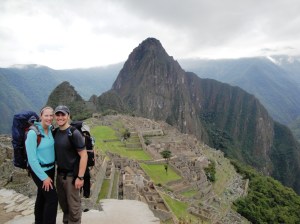
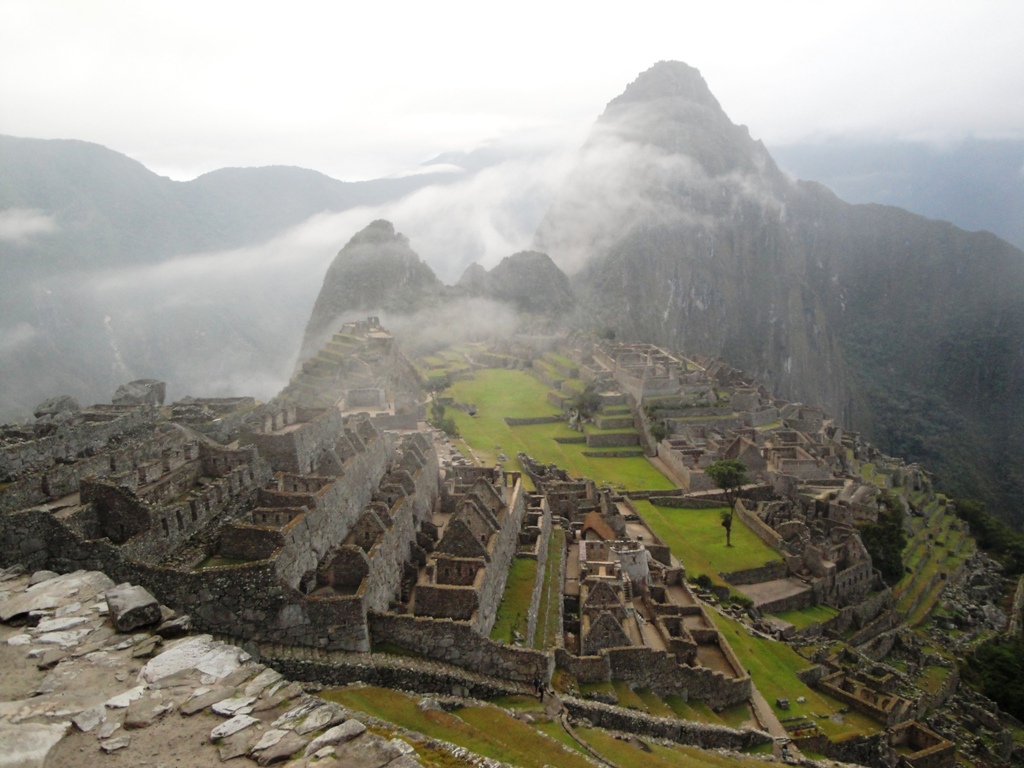
We woke early and got into line to enter the park.  An hour later, the gates opened and our turn was up to pass through.  Five of us in the group bolted ahead of the rest.  We were eager to be the first ones to arrive at Inti Punku, the Sun Gate.  My legs felt fast and I had tons of energy.  By descending, our lungs took in deeper breaths and more oxygen.  The trail wound along-side the mountain and I carefully passed other hikers.  The last bit up was a “monkey-crawl” of steep stairs to the top.  I was the third one to arrive at the Sun Gate for the day.  This was my first view down into Machu Picchu and it was absolutely breathtaking.

As I stood there amazed at the quiet beauty below, more trekkers arrived and gathered in the area around the Sun Gate.  Fredd then led the group down into the ruins at about 8,000 feet above sea level.  We all snapped photos from the famous postcard setting, anxious to get a good picture empty of other tourists.  Hundreds of visitors took the easy way by bus from Aguas Calientes.  By mid-morning Machu Picchu was crowded.

Fredd gave us a tour through the Temple of the Sun, the many terraces, Temple of the Three Windows and much more.   It’s incredible to see how in-sync the Incas were with the constellations and how their advanced skills helped them build such amazing structures.  The stones they used were massive and it’s hard to believe it was all done by human power alone.
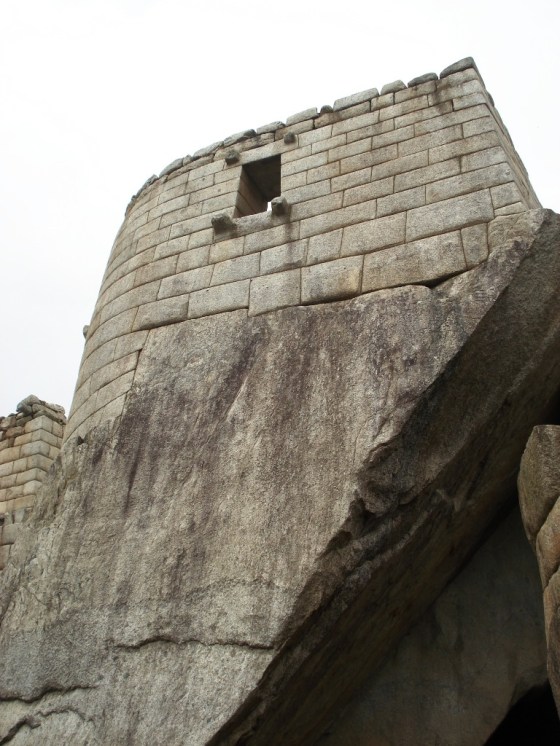
After hours of exploring the ruins, I left Machu Picchu filled with amazement and wonder.  Down in Aguas Calientes, our group celebrated with a few drinks and a dip in the hot springs.  It was a well deserved treat after an incredibly journey along the Inca Trail.
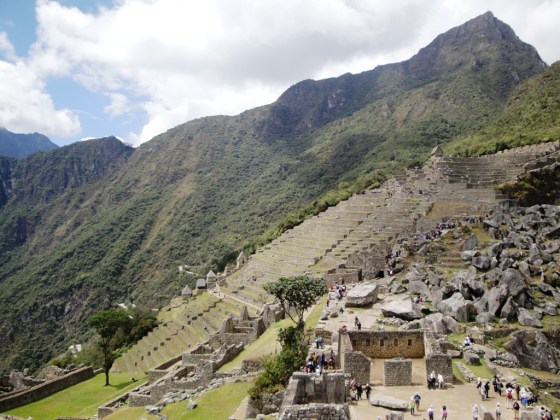
Since being home I have been asked what was my favorite part of Machu Picchu.  It’s hard to choose just one specific place or setting.  I tell everyone that it was the entire journey along the Inca Trail leading to Machu Picchu that will be my favorite memory.

The Voodoo of Hoodoos in Bryce Canyon, Utah

Canyon view

The unique spires or “hoodoos” in Bryce Canyon are unlike anything I have ever seen before. The canyon is filled with thousands of bright orange, yellow and pink limestone pillars of rock. They got the name “hoodoos” from a magical spell they would cast on people who visit. I must have felt it too because I was fascinated by their beauty.

Spires in Bryce Canyon

We caught a brilliant sunset which illuminated each spire with intensity. Each formation reminded me of a piece of sidewalk chalk ready to decorate the sky. They also resembled stalagmites in a cave, but without a ceiling.

The spires were created by rain and ice washing away the weaker parts of the limestone. Some have been given names such as Thor’s Hammer and The Sentinel.

Thor's Hammer

The Sentinel

Over 160 miles to the north of the Grand Canyon, this magical area of the world is only seen here in the southern region of Utah. Bryce Canyon is truly and awe-inspiring and wonderful place to experience.  To see more pictures from Bryce Canyon, click here.

from inside the canyon